Nicotine is very addictive. It’s what keeps you hooked.
It makes your brain release feel-good chemicals. But these wear off quickly so you need to have more, and more, to get the same feeling.
Luckily, there are products and medications to help with nicotine addiction.
Medications and Products to help you quit
-
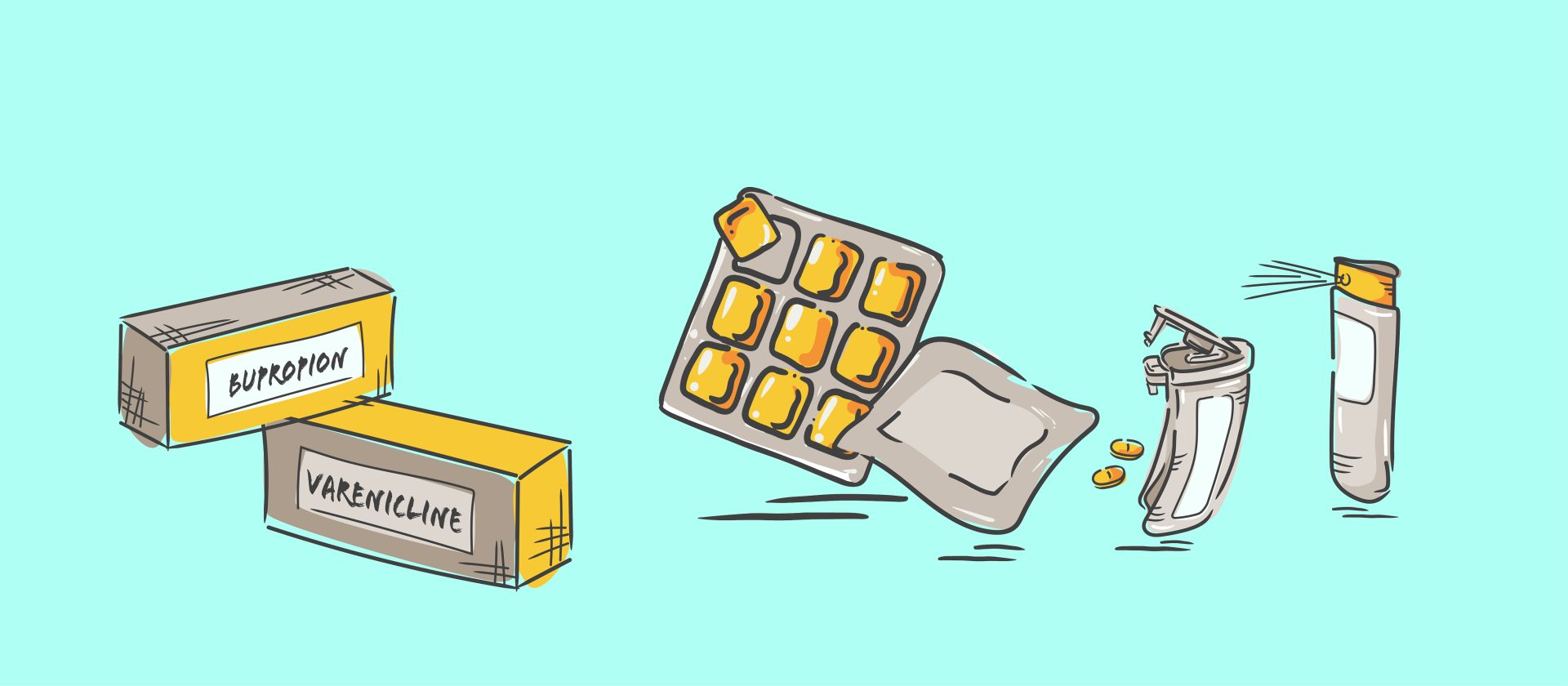
There are currently two medications, available on prescription through your doctor, that can reduce withdrawal symptoms when you are ready to stop smoking. These can greatly increase the likelihood of making a successful quit attempt.
- Varenicline
- Bupropion
(both medications are on the PBS and cheaper if you have a health care card)
Research studies show that varenicline can more than double your chance of quitting, and bupropion nearly doubles your chance.
Medications will not completely stop all cravings, but they will help manage nicotine withdrawal symptoms. This makes it easier for you to focus on changing habits and managing emotions that you might associate with smoking.
Talk to your doctor if you would like to use a medication to help you stop smoking.
The most effective way to stop smoking is counselling / behavioural support through a service such as Quitline, combined with nicotine replacement therapy (NRT) or a quitting medication (varenicline/bupropion).
Varenicline
Varenicline works by reducing withdrawal symptoms and by reducing the satisfying effects of smoking. When you puff on a cigarette, nicotine travels through your lungs and into your bloodstream to your brain, where it attaches to receptors to release the brain-reward chemical, dopamine. Varenicline blocks these receptors and causes a release of a smaller but steadier amount of dopamine.
Usage
Varenicline is a 12-week course. The advice is to continue to smoke in the first week and to set a quit date for some time in the second week. As the dose builds up, cigarettes will start to be less desirable and it will be easier to cut down before stopping smoking in the second week. It’s important to take varenicline for the full 12 weeks, even if you’re feeling quite confident that you have successfully stopped smoking – varenicline can help prevent relapse.
Side effects
Most people on varenicline will have no side effects. The most common side effect is nausea, affecting about 3 out of 10 people. This may be eased by taking varenicline with food, or your doctor may recommend reducing your dose. Nausea is usually mild to moderate and fades with time. Other side effects might include having trouble sleeping and vivid dreams. Please consult with your doctor or pharmacist if you have concerns about any side effects you are experiencing.
Varenicline is not recommended if you are under 18, pregnant, or breastfeeding.
Bupropion
Bupropion is an anti-craving medication to help people stop smoking and is available on prescription. Using bupropion can help reduce withdrawal symptoms, such as cravings, irritability and difficulty concentrating. Bupropion may also make smoking seem less rewarding.
Usage
Bupropion is a 9-week course. The advice is to continue to smoke in the first week of using bupropion and set a quit date for some time in the second week. It’s important to take bupropion for the full 9 weeks even if regular cravings have faded, as staying on bupropion can help prevent relapse.
Side effects
Most people on bupropion will have no side effects. The most common side effects are difficulty sleeping, dry mouth, headache, dizziness, anxiety or nausea. Please consult with your doctor or pharmacist if you have concerns about any side effects you are experiencing.
Bupropion is not recommended if you are under 18, pregnant, or breastfeeding.
-
Nicotine replacement therapy (NRT) products – patches, lozenges, gum and mouth spray – help to reduce nicotine withdrawals such as cravings, irritability, mood swings and anxiety.
Studies have shown that using 2 forms of NRT – a patch plus one of the oral products like gum or lozenges – can improve your quit success.
Using NRT is always safer than continuing to smoke. NRT does not contain the many dangerous chemicals found in tobacco smoke and allows you to focus on breaking your smoking habits and routines.
NRT products are available at pharmacies and some supermarkets. For more information on how NRT can help you stop smoking, phone the Quitline on 13 7848 or speak to your doctor or a pharmacist. The most effective way to stop smoking is getting support through a service such as Quitline together with nicotine replacement therapy or quitting medication.
Nicotine patches (cheaper on prescription from your doctor)
Nicotine patches are applied by sticking them onto the skin. They work by releasing a low but consistent dose of nicotine into the bloodstream via the skin. They help reduce withdrawal symptoms such as cravings, making quitting easier, and increase the chance of successfully stopping smoking. Patches are best used in combination with an oral NRT product, please see below. People can get two courses of NRT patches per year, through the PBS, on prescription from a doctor.
(Oral NRT) Nicotine gum, nicotine lozenge and mouth spray
The gum, lozenge and mouth spray all work by replacing some of the nicotine you would normally get from cigarettes. The nicotine is absorbed through the lining of your mouth. Using these products can help reduce withdrawal symptoms such as cravings, irritability and anxiety.
To release the nicotine:
- chew the gum slowly until the taste becomes strong (about 1 minute) then stop and rest (or park) the gum against your cheek. When the taste fades, chew a few times until the taste gets strong, then park the gum on the other side of your mouth. Avoid eating or drinking when chewing the gum.
- allow the lozenge to dissolve, moving it around every so often from one side of the mouth to the other. Do not eat or drink when the lozenge is in your mouth.
- spray the mouth spray onto the side of your mouth or under your tongue.
Combination therapy
Combination therapy means using two types of NRT products at the same time. Combining a patch with an oral form of NRT has been shown to increase stop smoking rates by 34-45% compared to using a patch alone.
Combination therapy is recommended if you have not succeeded in quitting when using a single NRT product and is often recommended if you smoke heavily. Talk to the Quitline, your doctor or a pharmacist about using combination therapy.
Proper use
It is important to use NRT correctly – follow the instructions provided with the product. You will have more chance of success using these products if you use them regularly throughout the day, as well as when you have cravings. It is recommended that you use them for at least eight weeks.
Our Quitline counsellors can help you to make sure you are using NRT the right way. If you need advice about the products, or any support along the way to help you quit, please call Quitline on 137848. Support is tailored to your individual circumstances and preferences.
-
For quitting medications and nicotine replacement therapy products it’s really important that you use them correctly.
If you don’t, they either won’t do the job, or you will have unwanted side effects. Make sure you follow the instructions and if you have any questions or doubts please get in touch with Quitline 13 7848 for a quick chat on how to use them or contact your doctor if you have a prescription from them.
-
Make sure you are aware of cheaper options, or you may be eligible for free products. Check out our Free NRT Program running for a limited time here.
Just ask us – we can help there too.
 Nicotine is what causes your addiction to cigarettes or vaping products.
Find out more about nicotine and why it causes addiction.